
01
The question
Same plant. A different latitude, soil and season.
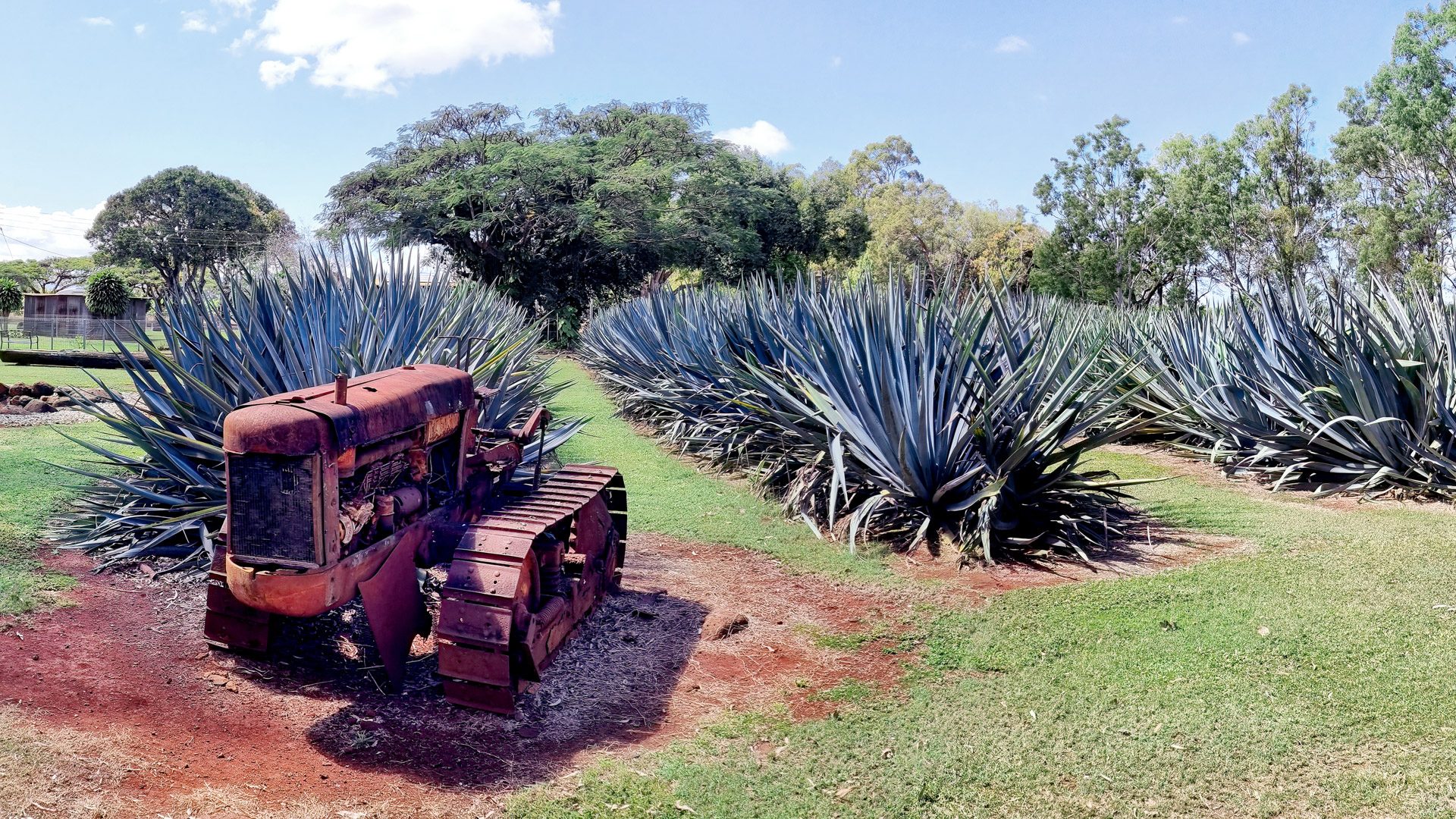
Agave tequilana, blue Weber, wants altitude, heat, hard drainage and a long dry season. Jalisco has that. So, it turns out, does the Atherton Tablelands: a basalt plateau an hour inland from Cairns, sitting 600 to 800 metres above the Coral Sea at 17 degrees south.
The obvious move would have been to make something that tastes like tequila and hope nobody looked too closely at the label. We went the other way. If the plant was going to grow somewhere new, the honest thing was to let it taste like somewhere new, and to stop borrowing the vocabulary of a place we aren't.
“Recognizable as agave but it's not Mexico.”
Harpers Wine & Spirit, October 2025
02
The place
The soil is red because the volcanoes left iron behind.
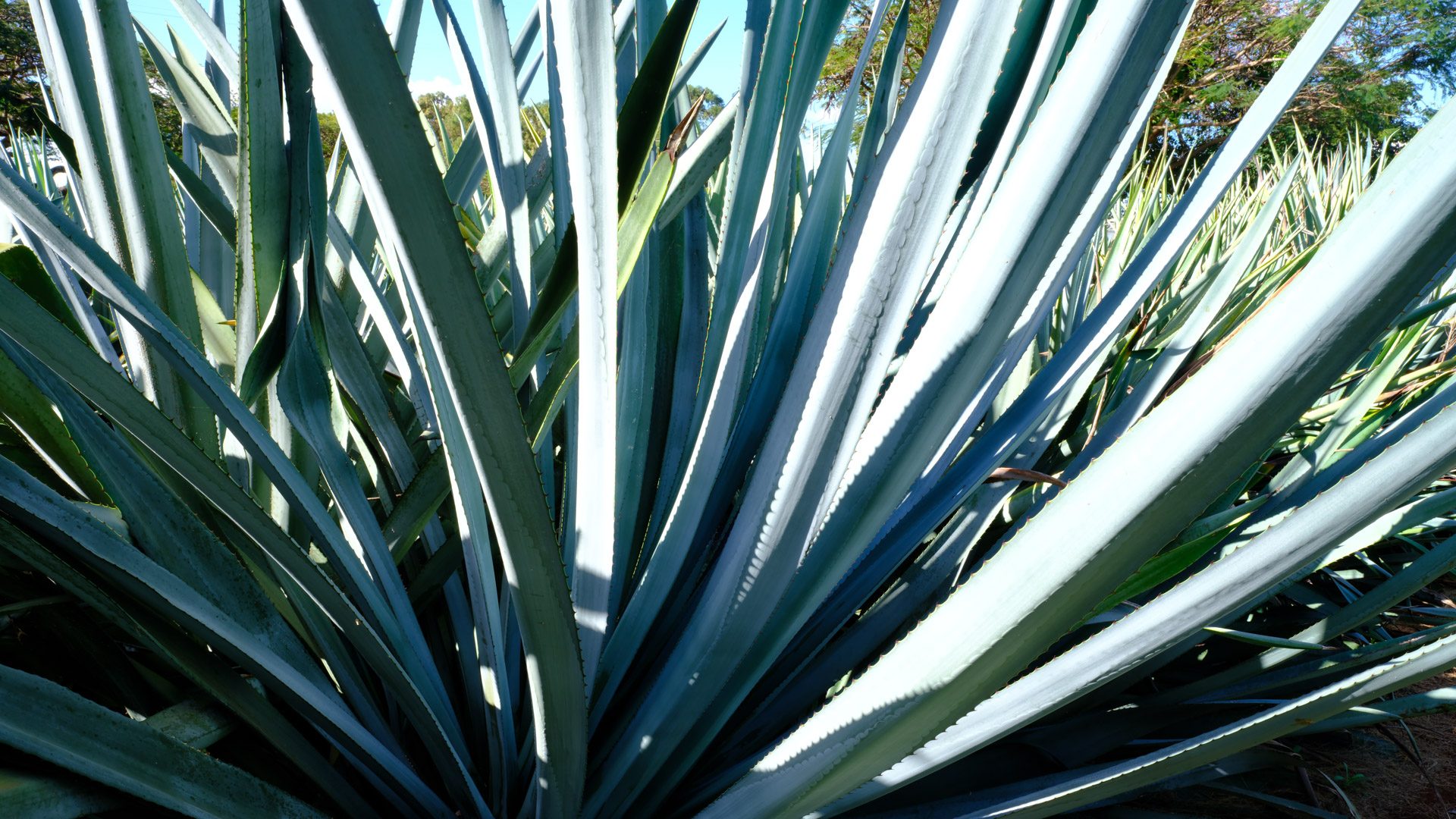
The Tablelands are old volcanic country. What's left is deep basalt loam: free-draining, mineral-loaded, and rust-red from oxidised iron. Water doesn't sit in it. Roots go down hard looking for it.
Then there's the weather. A monsoonal wet from December, and a genuinely dry winter that shuts the plant down for months. Agave grown in that rhythm swings between flood and drought every year of its life, and it stores sugar differently for it. You taste the mineral in the Silver before you taste anything else.
Elevation
600–800m
Soil
Basalt
Latitude
17° S
03
The wait
You can't rush a plant that measures its life in years.
Six years between planting and harvest. There is no shortcut, no accelerated version, no way to make the piña sweeter faster. You plant, you weed, you wait, and the whole business model is a bet placed most of a decade in advance.
- Year 0PlantedHijuelos, offsets from mature plants, go into the basalt in rows wide enough to work by hand.
- Years 1–5Wet, dry, repeatFive monsoon seasons and five dry winters. The plant fattens, the leaves harden, sugar accumulates in the core.
- Year 6Harvest by coaLeaves struck off by hand with a coa, leaving the piña. Machines can't judge ripeness. People can.
- 2023First releaseSilver, Rested and Aged released together. The harvest year is printed on every label.
- 2024–25Judged abroadNine medals across the IWSC and London Spirits Competition, tasted blind against the world's agave spirits.
04
The people
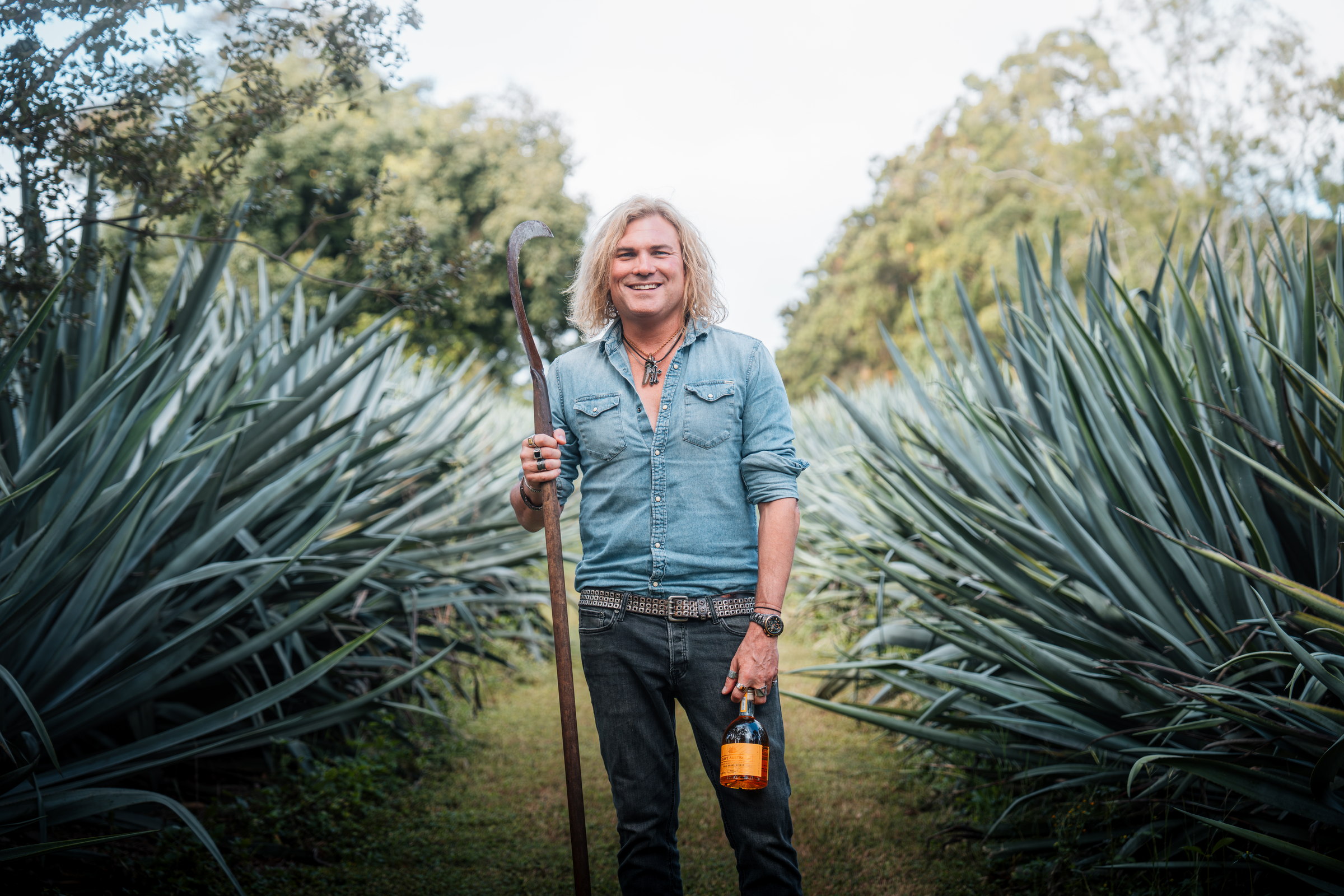
The distiller signs the label.
Every bottle of Agave Australis carries the name of the person who made it: Mark Watkins, head distiller at Mt Uncle. Not a brand ambassador, not a licensed marque. The man running the still.
Mt Uncle has been distilling on the Tablelands since long before there was agave in the ground here. The cuts are made by palate on a copper pot still, batch by batch, in a shed you can walk into on any afternoon of the week.
Recognition
Nine international medals.
Judged blind against the world's agave spirits at the International Wine & Spirit Competition and the London Spirits Competition, 2024 – 2025.
Silver
Unaged · 40% ALC/VOL
- SilverIWSC 2025 · 92 points
- SilverIWSC 2024 · 90 points
- SilverLondon Spirits 2024 · 77 points
Rested
6 months oak · 40% ALC/VOL
- SilverIWSC 2024 · 90 points
- BronzeIWSC 2025 · 87 points
- BronzeLondon Spirits 2024 · 75 points
Aged
2 years oak · 40% ALC/VOL
- BronzeIWSC 2024 · 88 points
- BronzeIWSC 2025 · 87 points
- SilverLondon Spirits 2024 · 83 points
“Recognizable as agave but it's not Mexico.”
on Agave Australis Silver · Harpers Wine & Spirit, October 2025
“Rich flavours of vanilla and caramel… deep complexity.”
on Agave Australis Aged · “Five To Try”, May 2025